The journey of our Haji 2025 jema’ah
This page gathers the Haji 2025 season in one place — the testimonials our jema’ah recorded after they came home, and the photographs taken along the way. It is their journey, told in their own words and faces.
What our jema’ah brought home
Alhamdulillāh, our Haji 2025 jema’ah share their personal journeys and heartfelt experiences during their sacred pilgrimage to Makkah. Each story is a reminder of Allah’s mercy, the beauty of patience, and the blessings of completing the fifth pillar of Islam.
May these testimonials inspire and prepare you for your own journey to the House of Allah, and may Allah accept the Hajj of all who have gone before and those yet to come.
Video testimonials
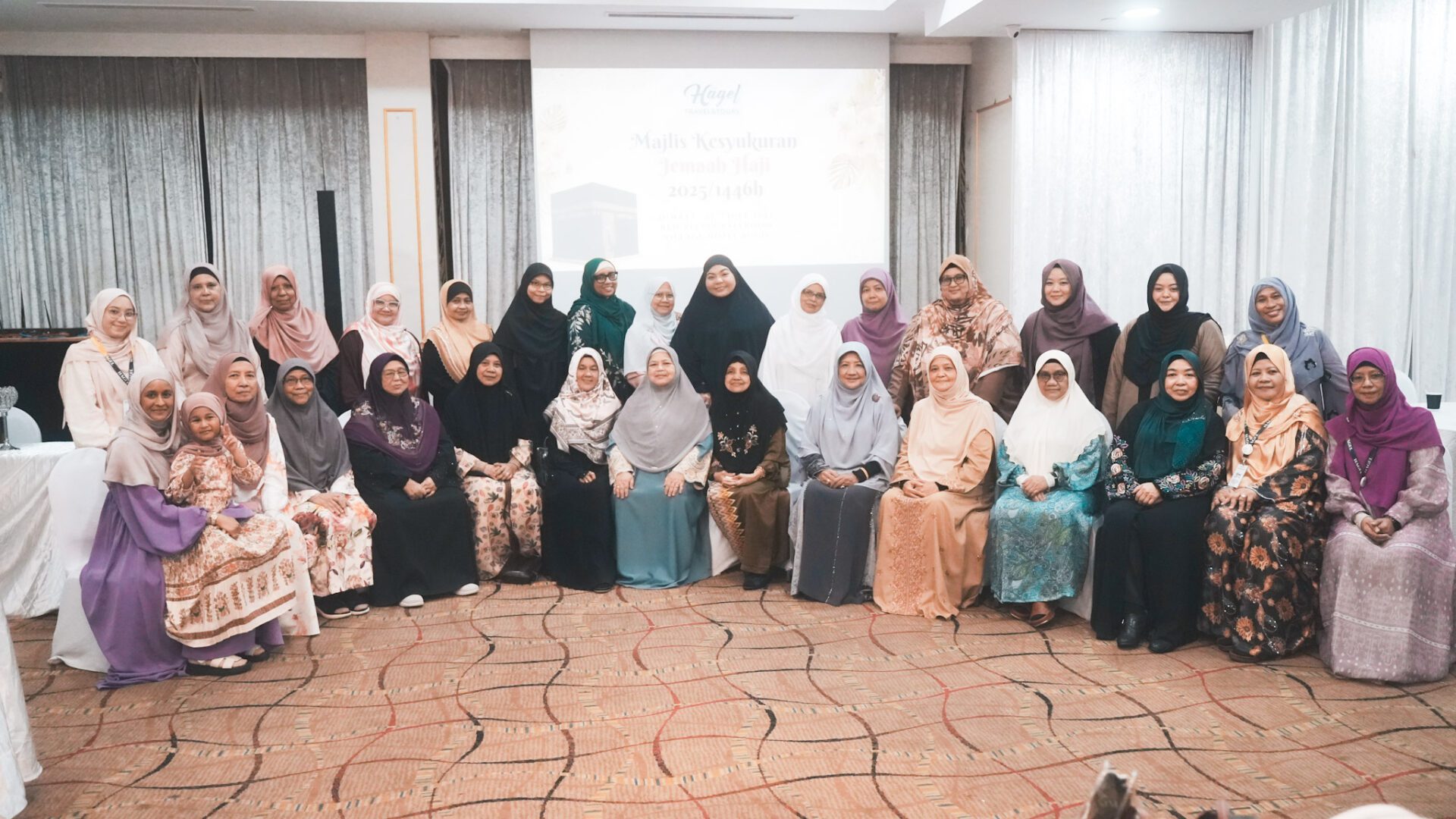
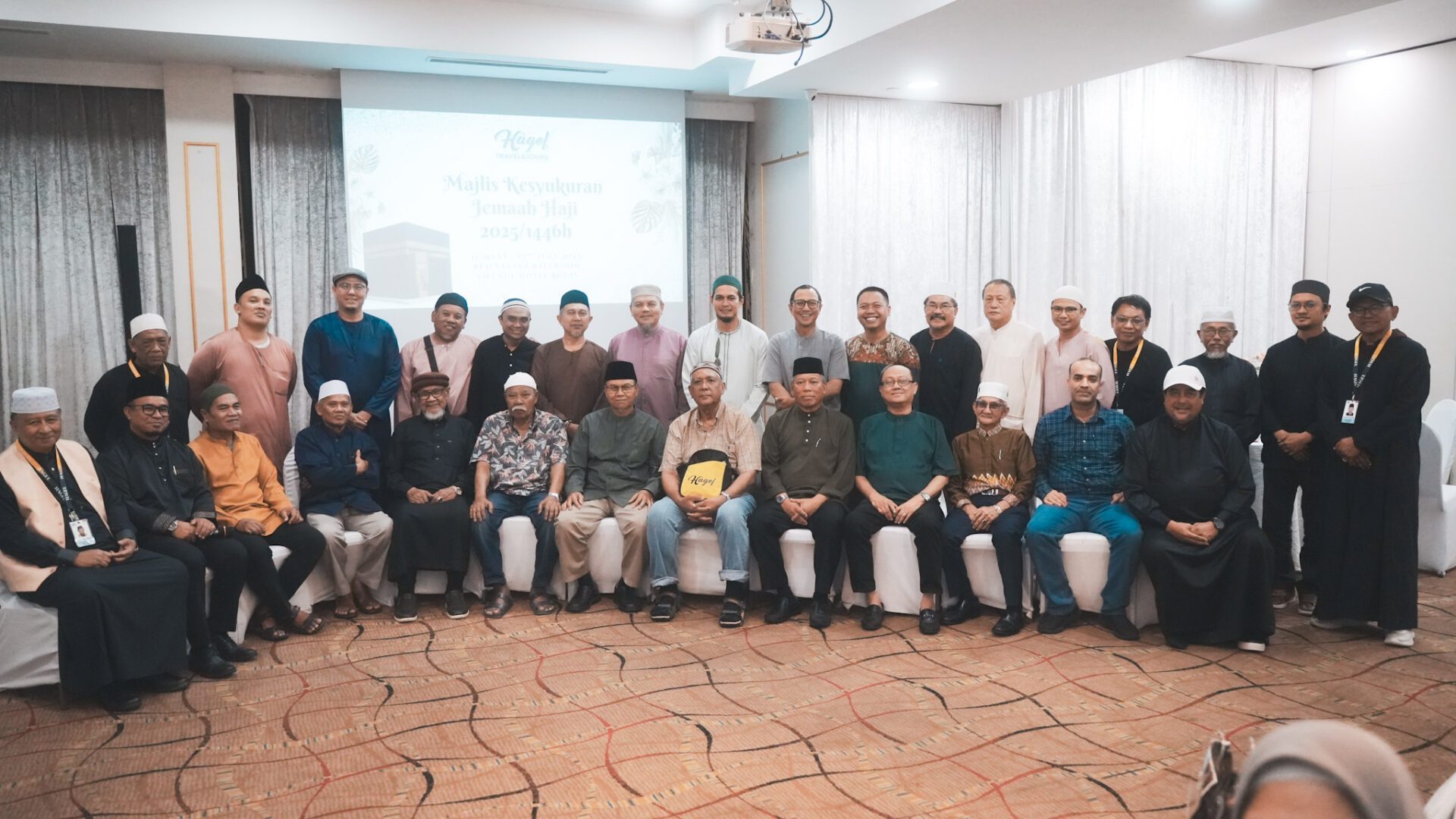
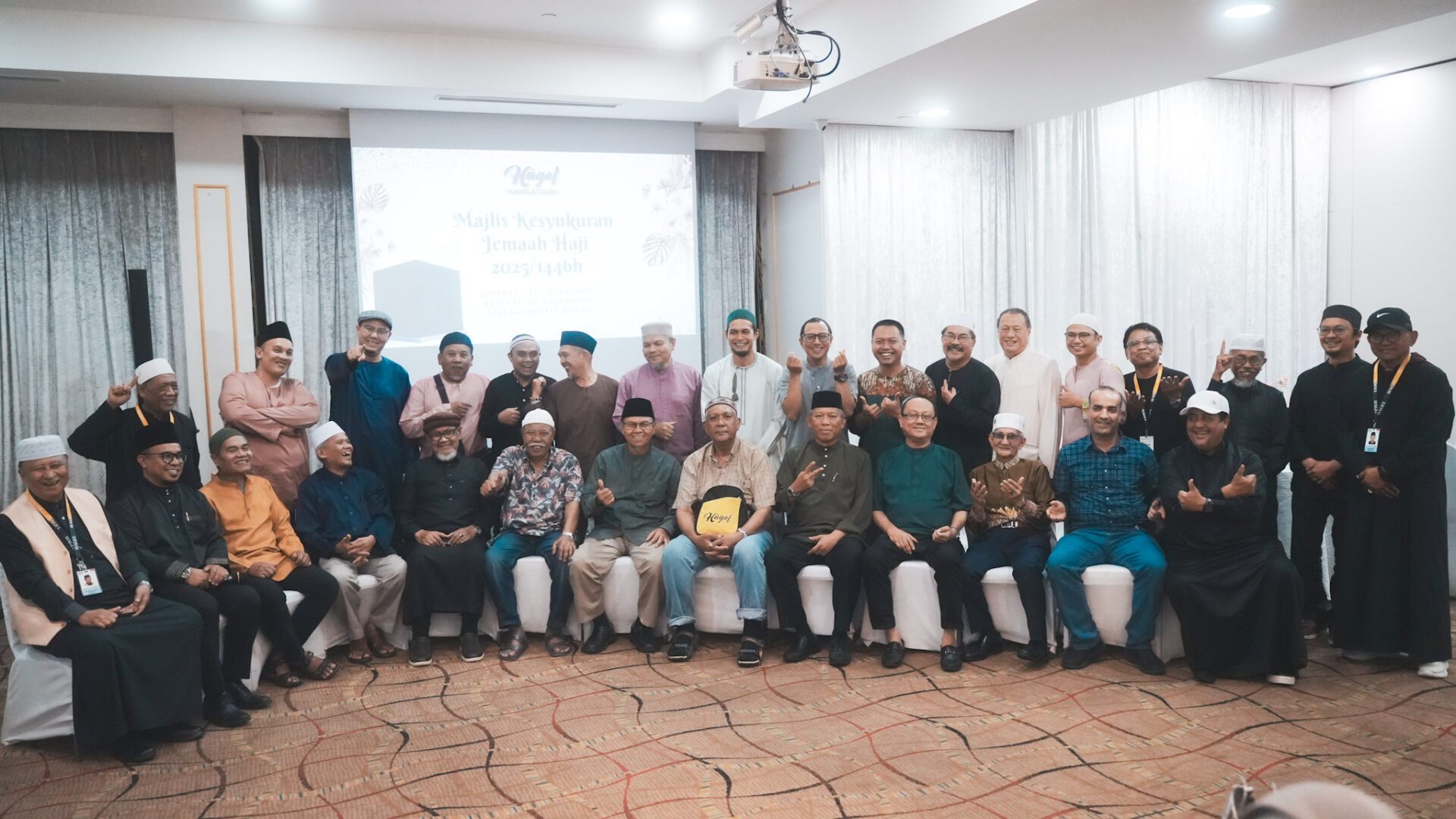
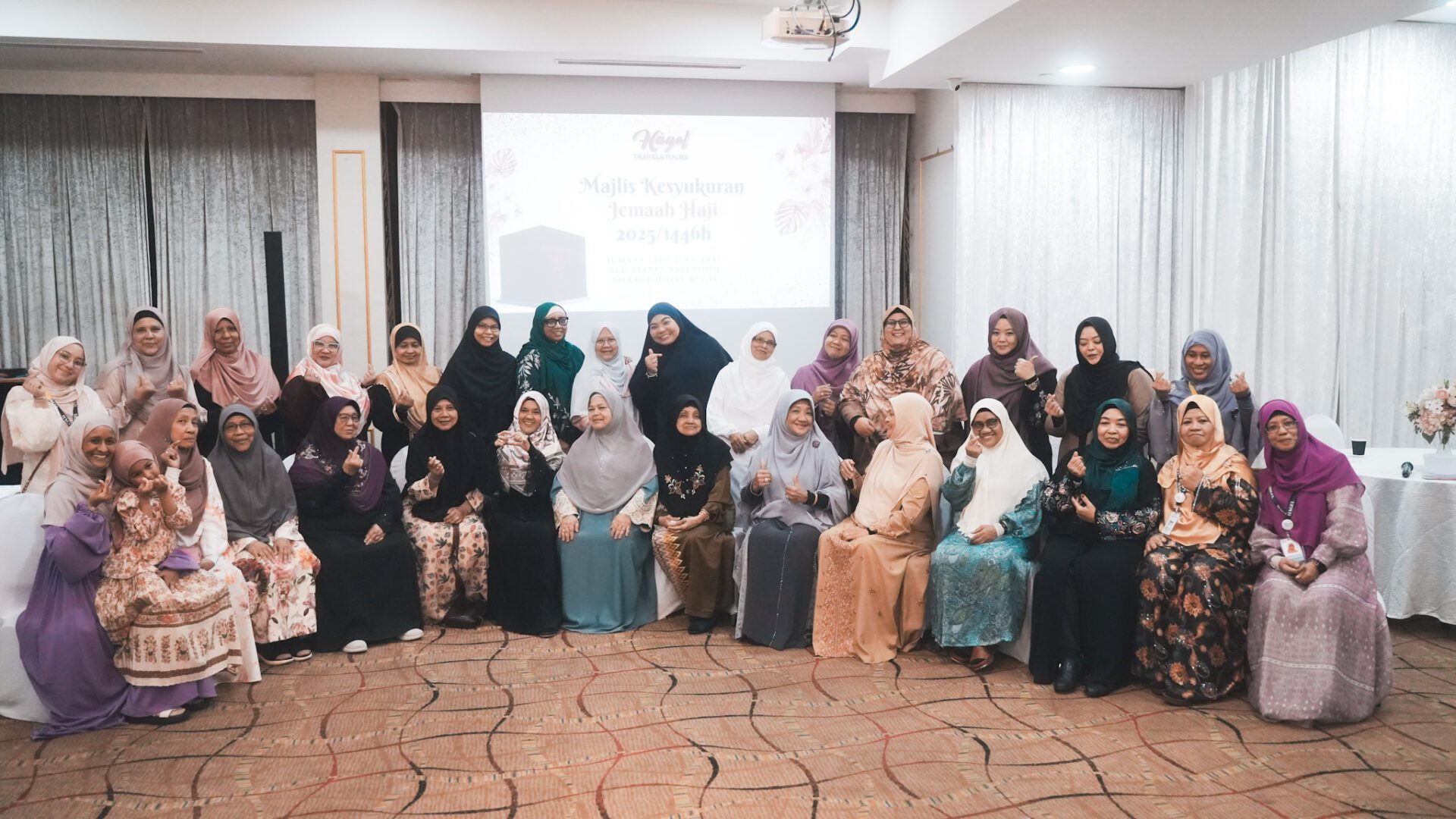
Haji 2025 in photographs
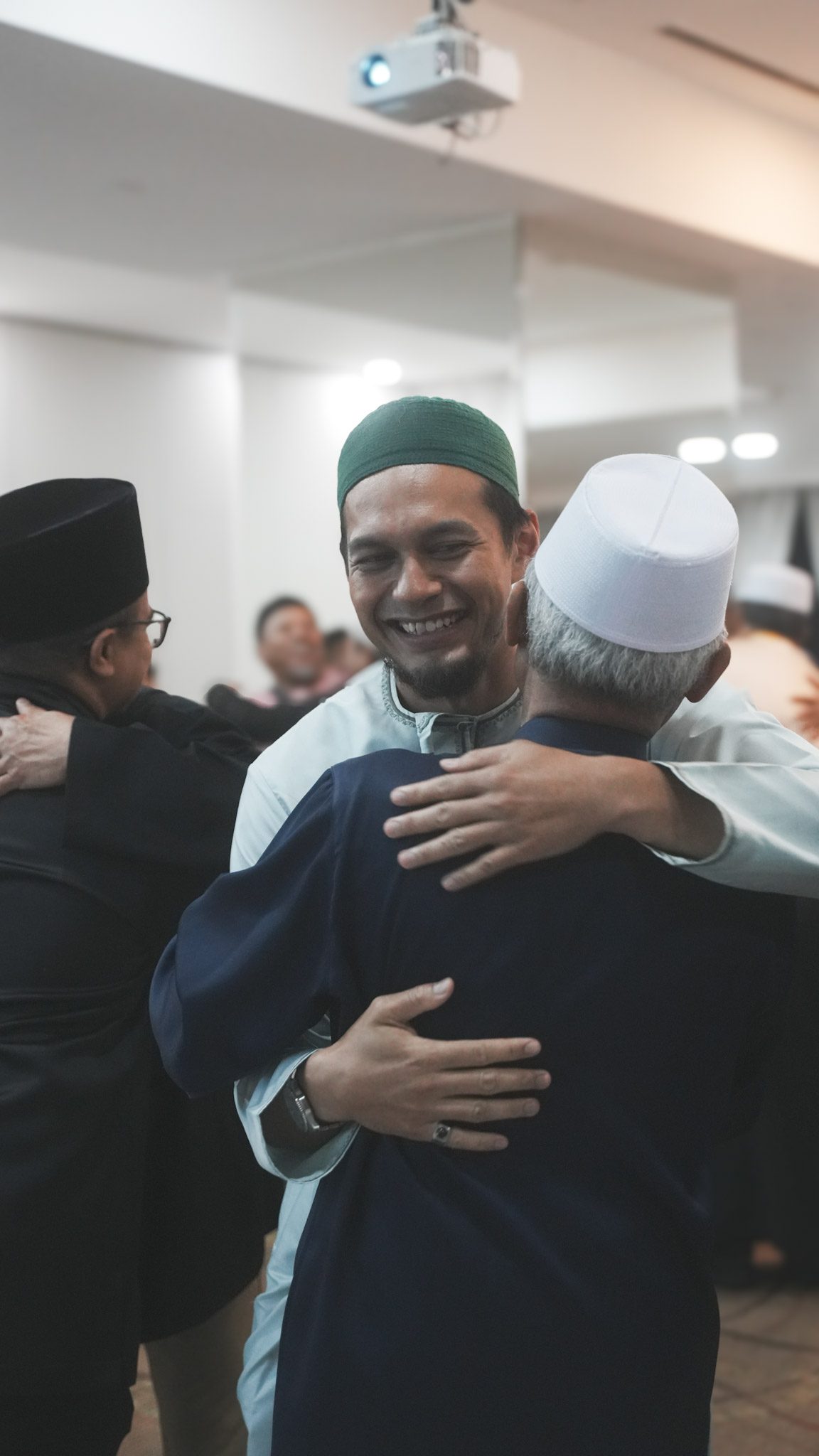
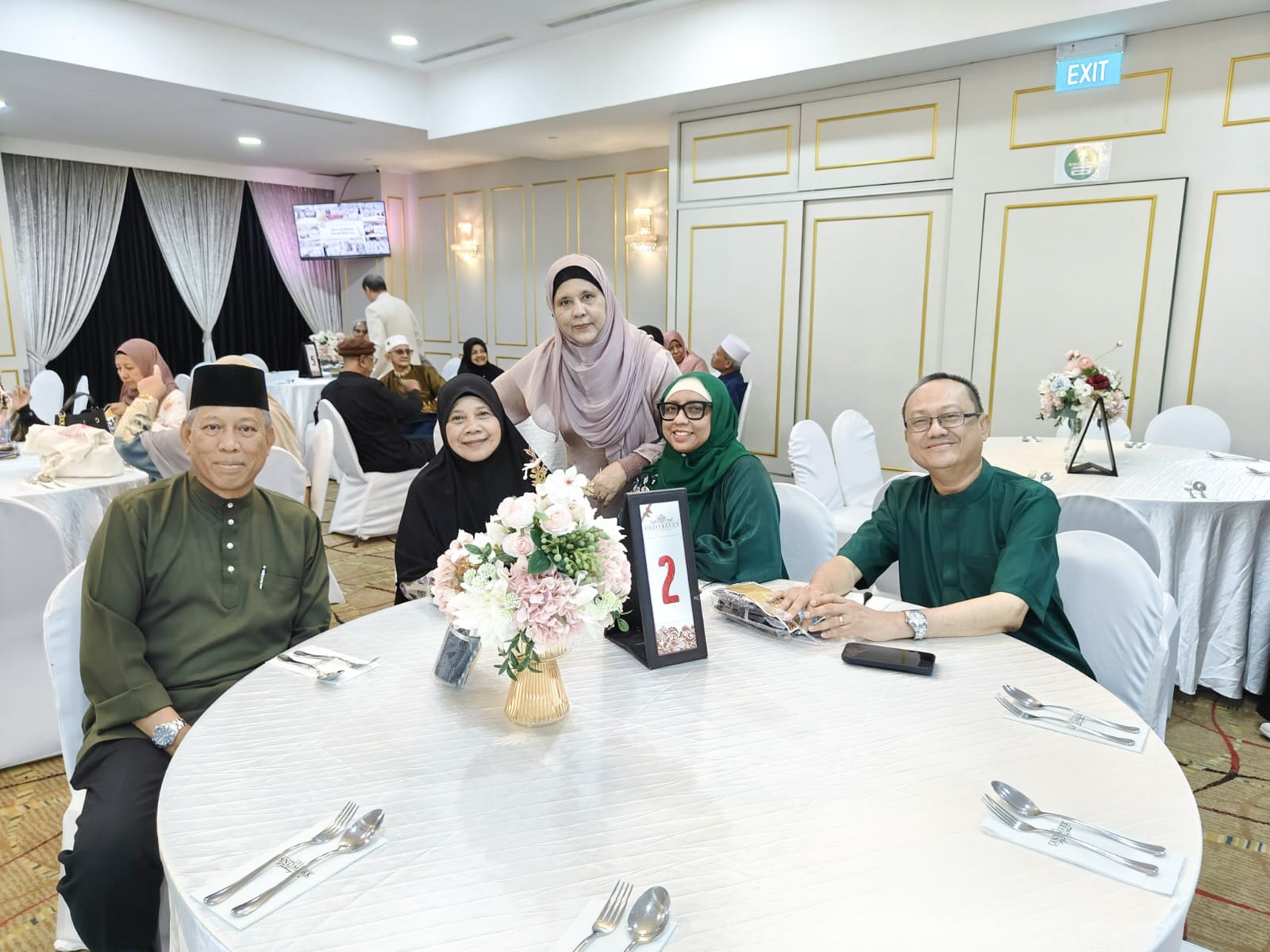
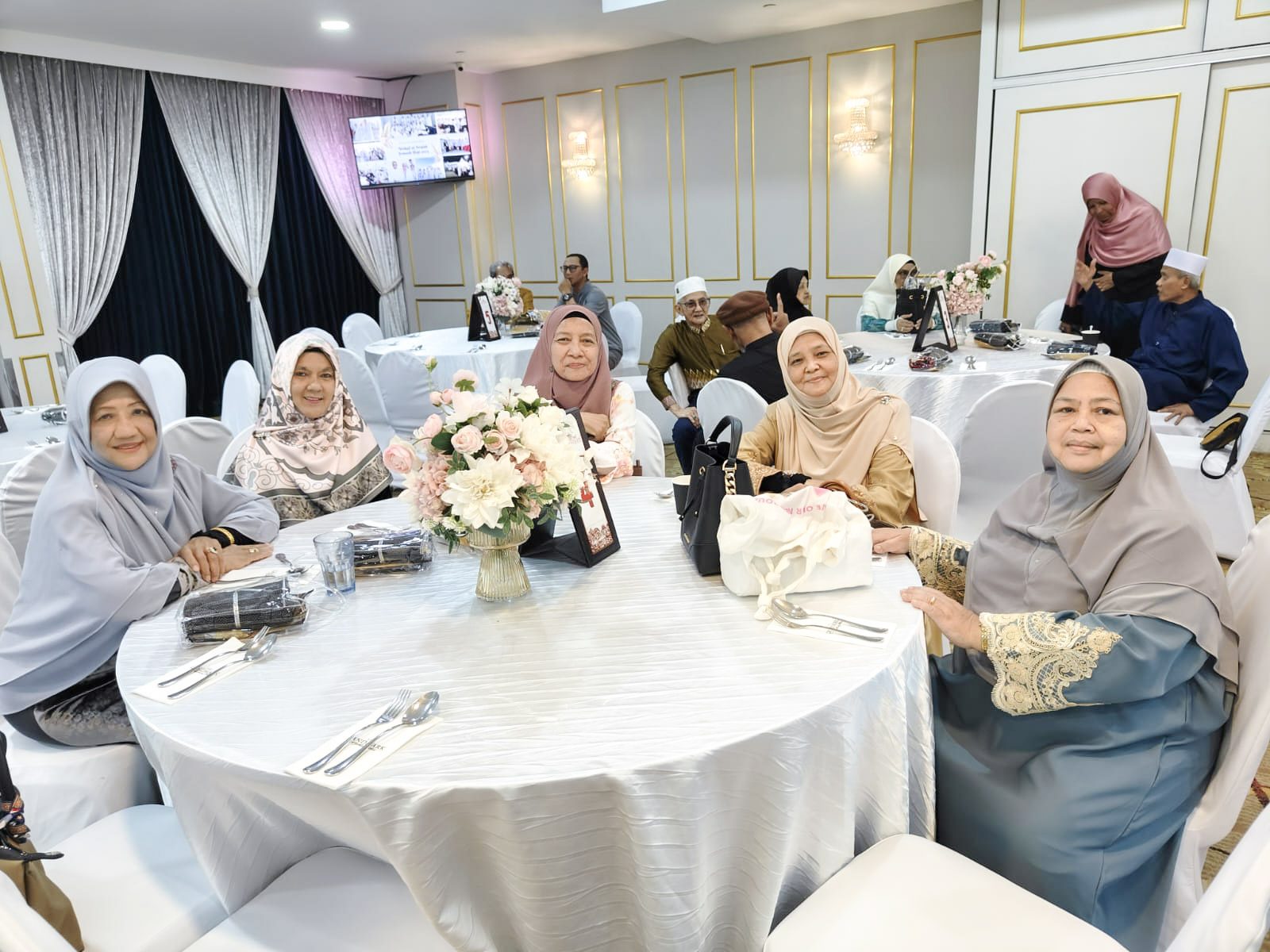
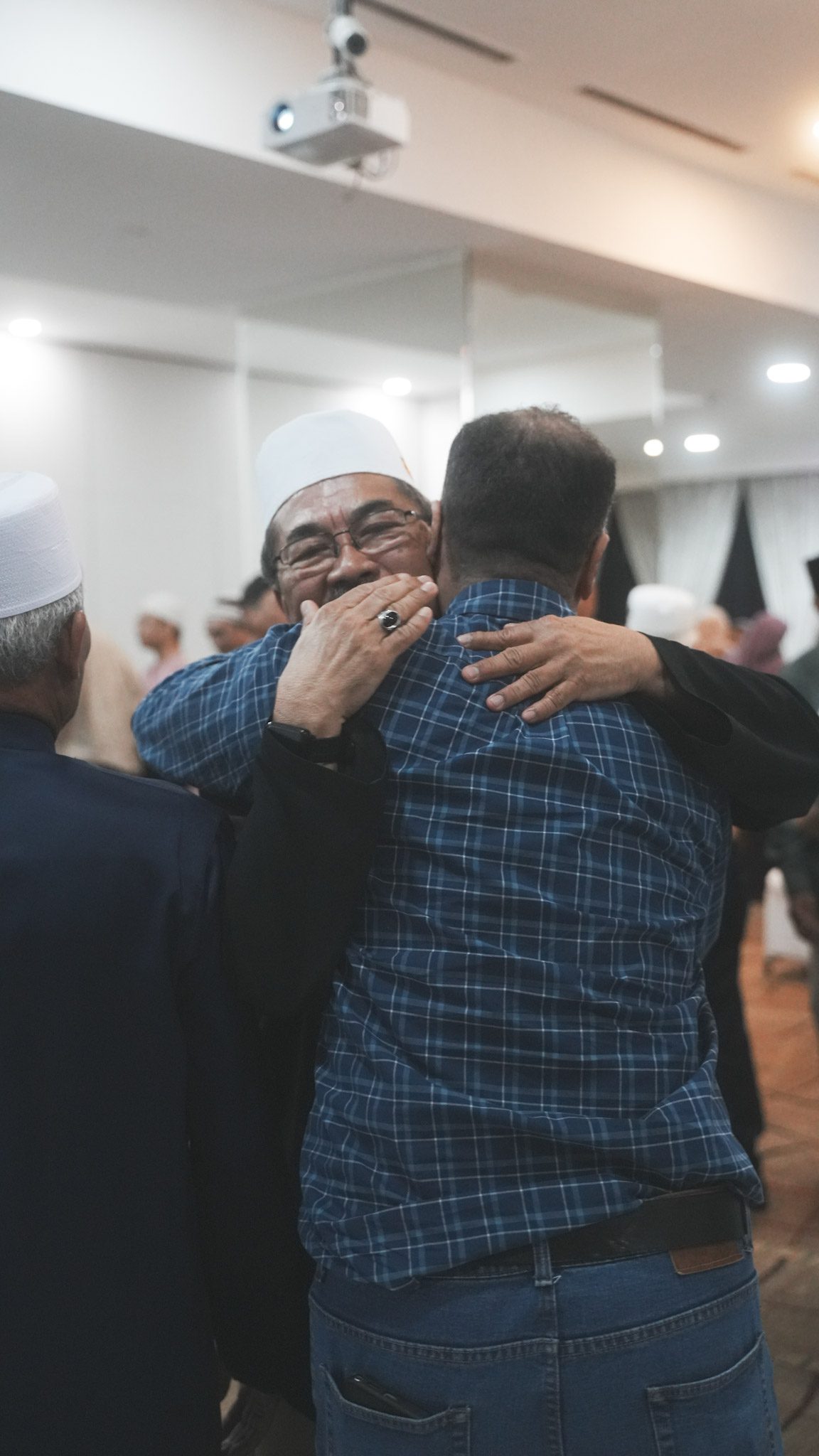
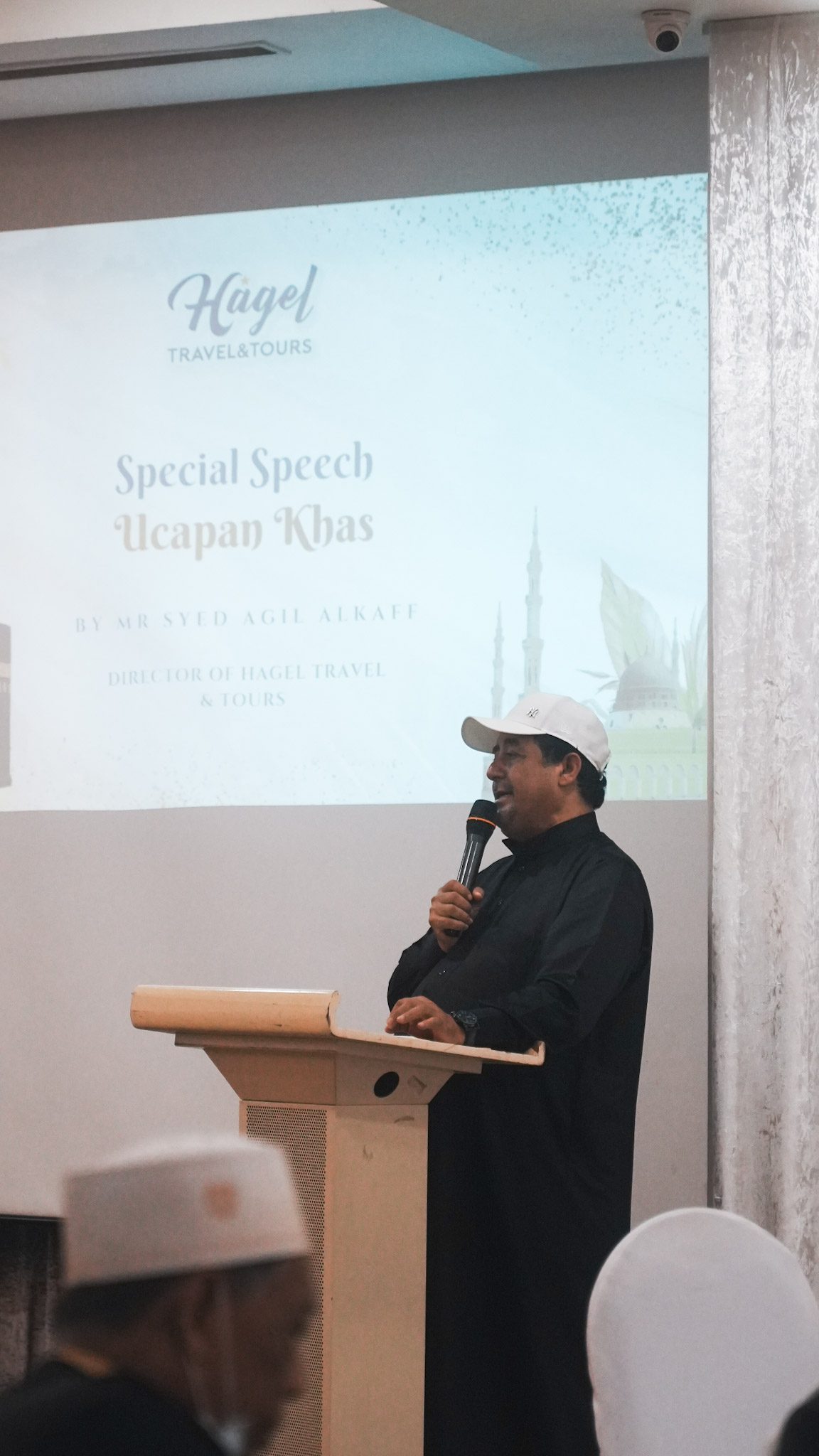
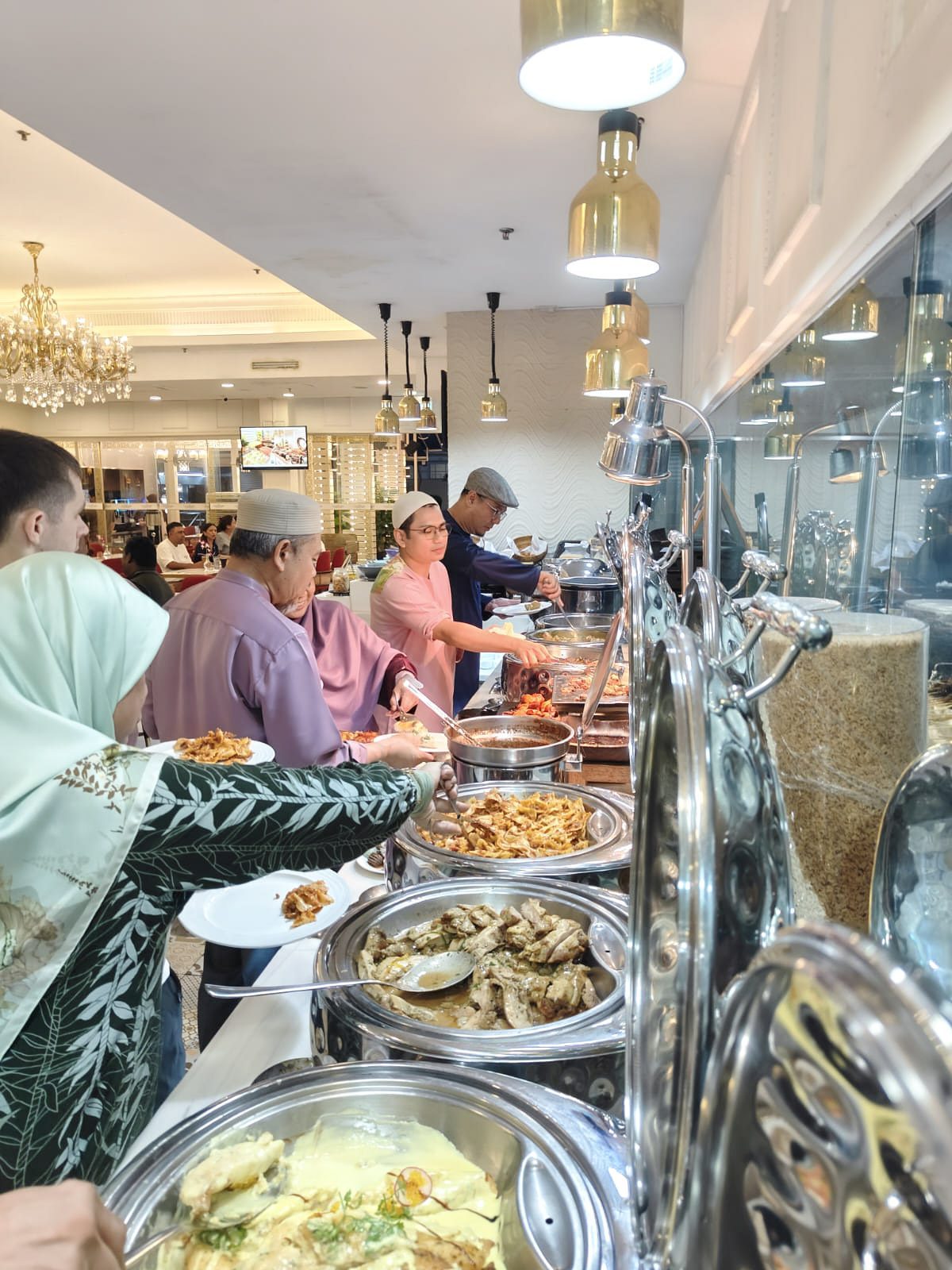
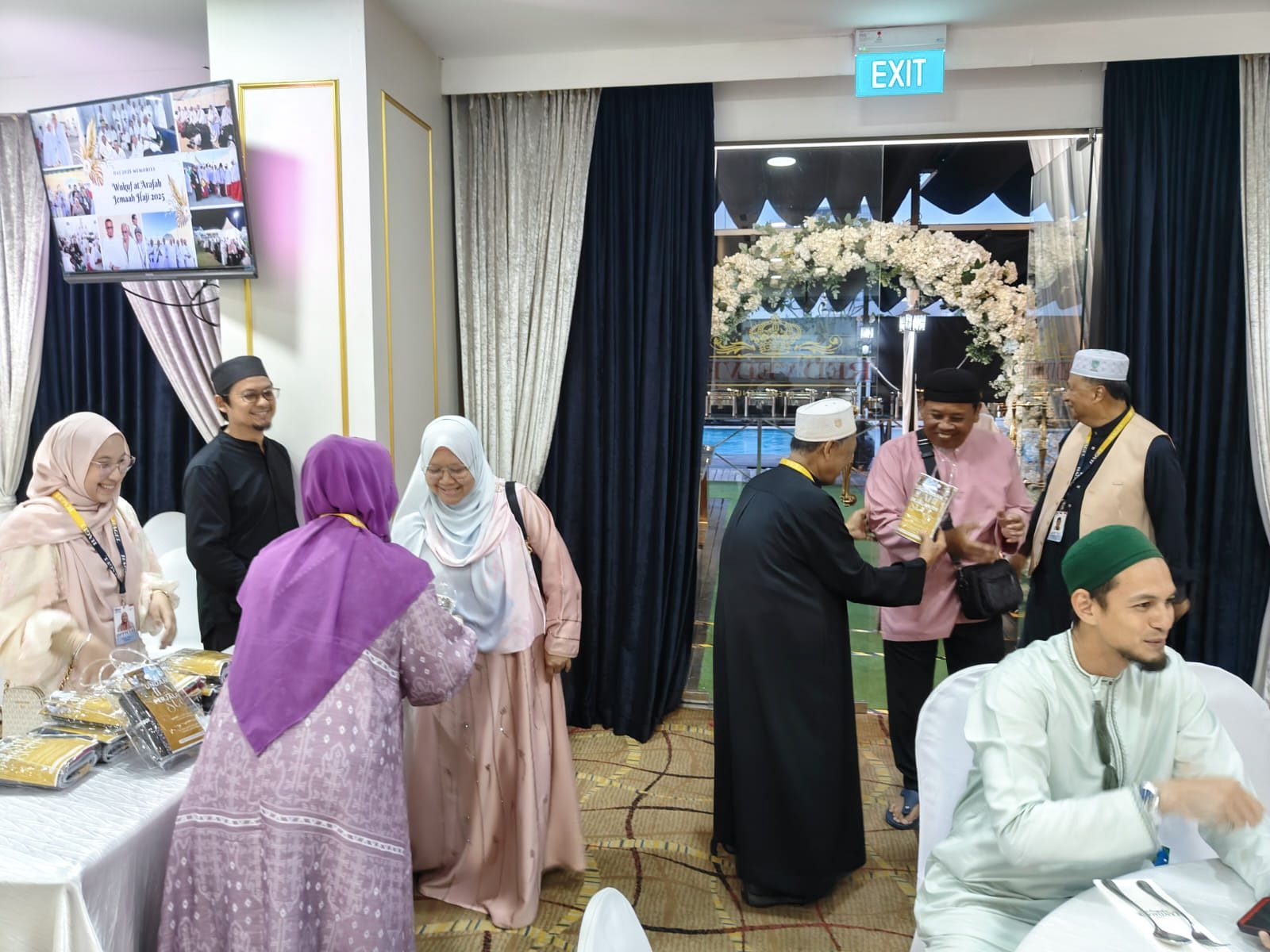
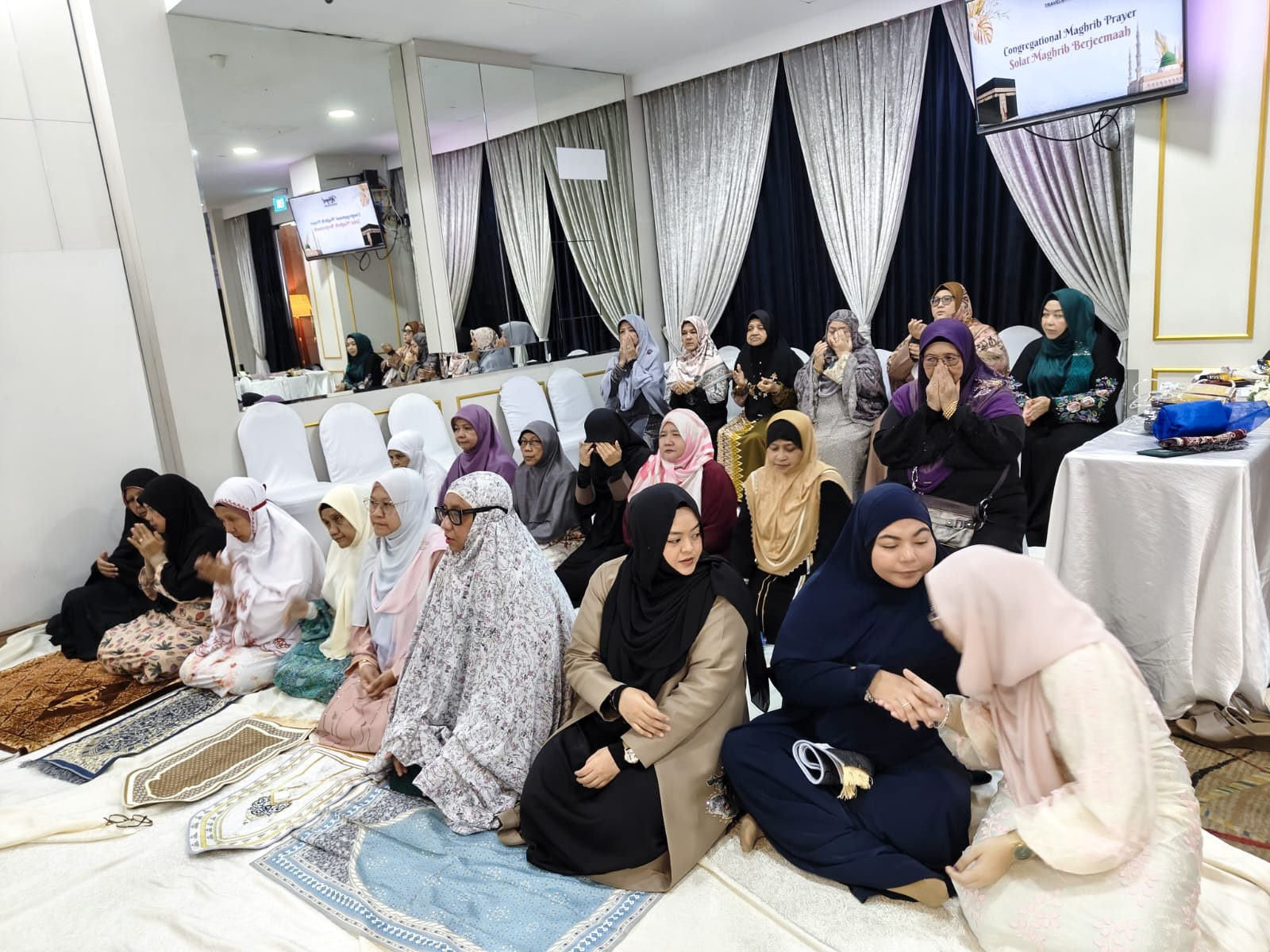
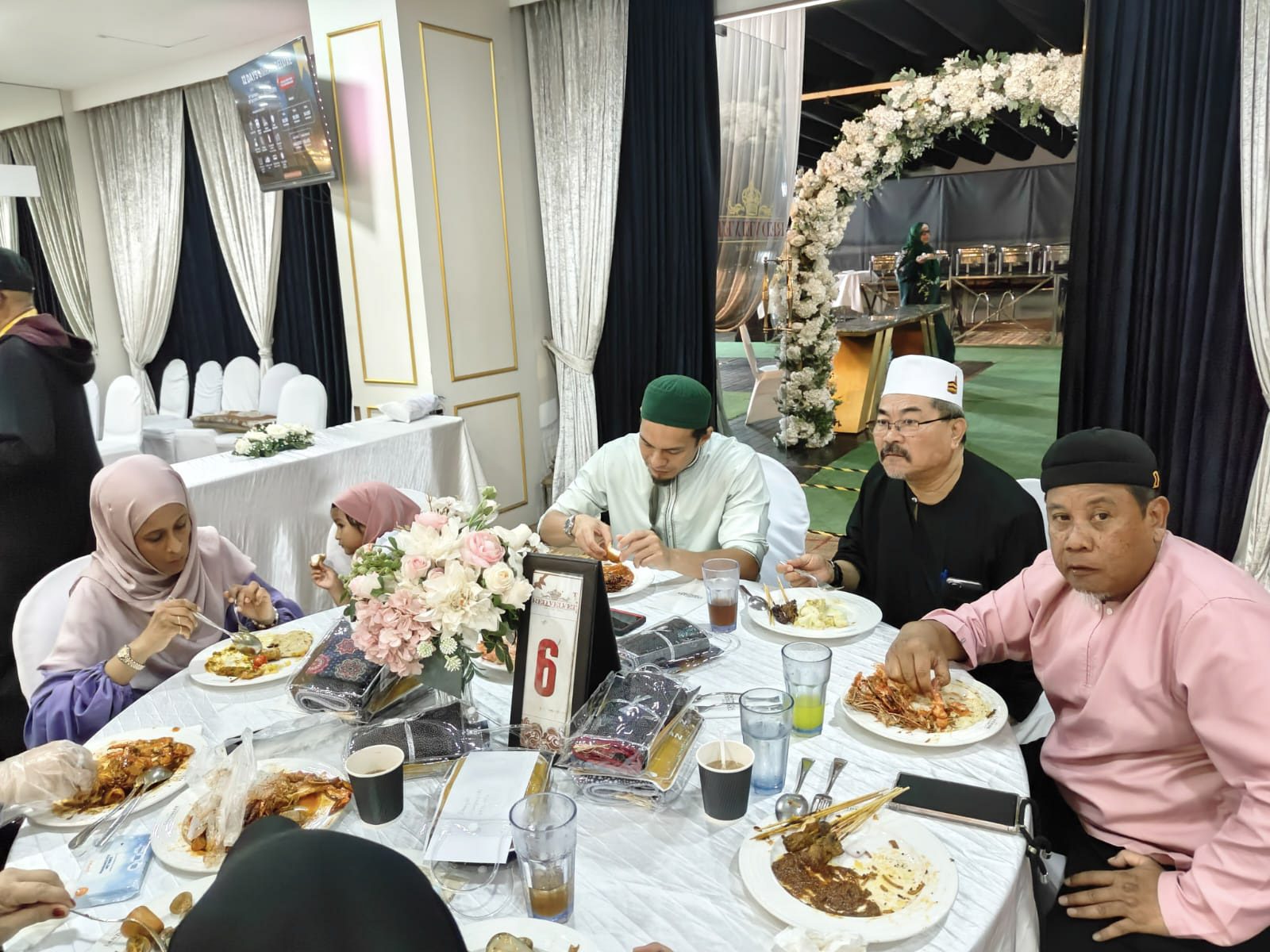
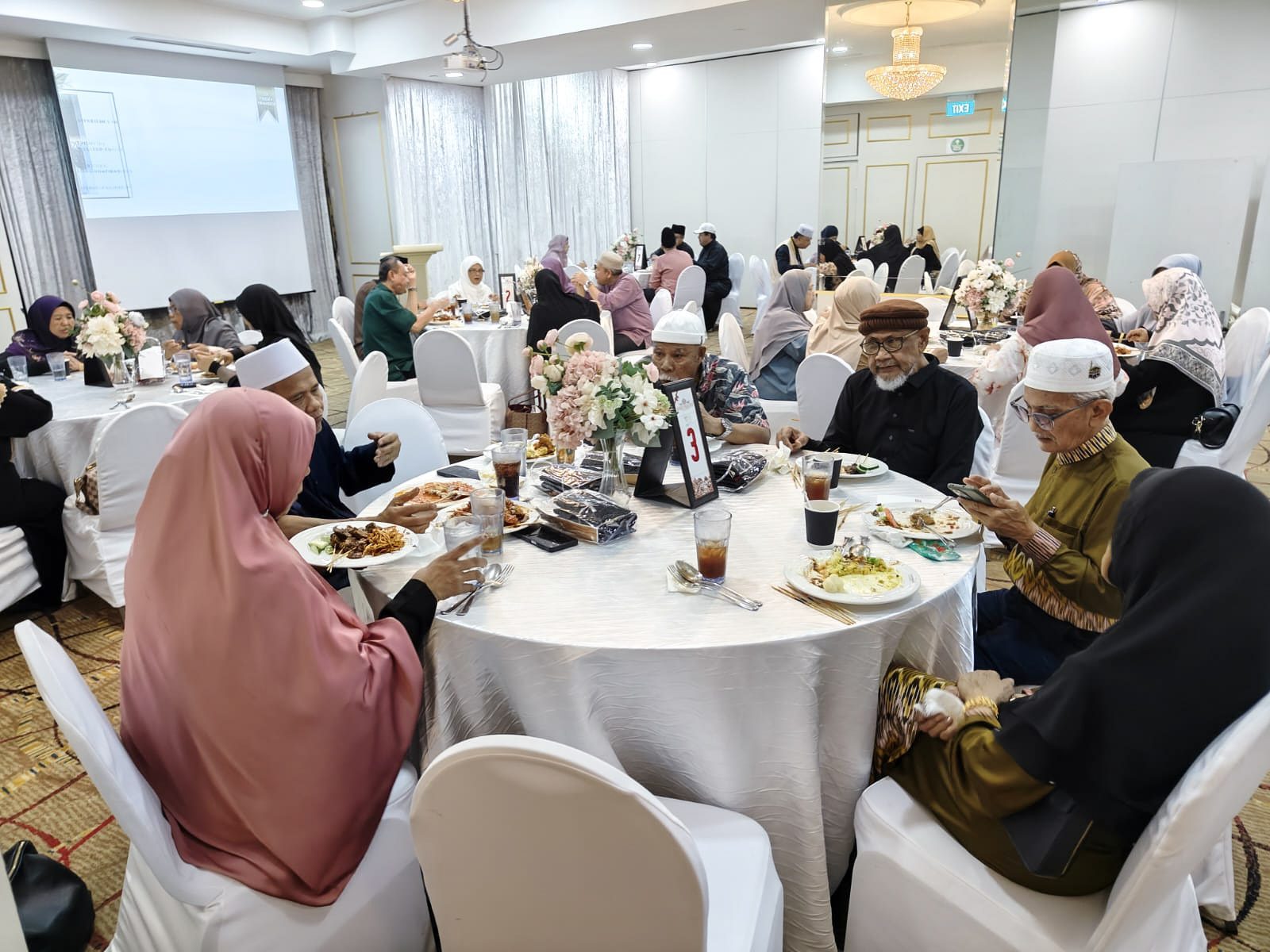
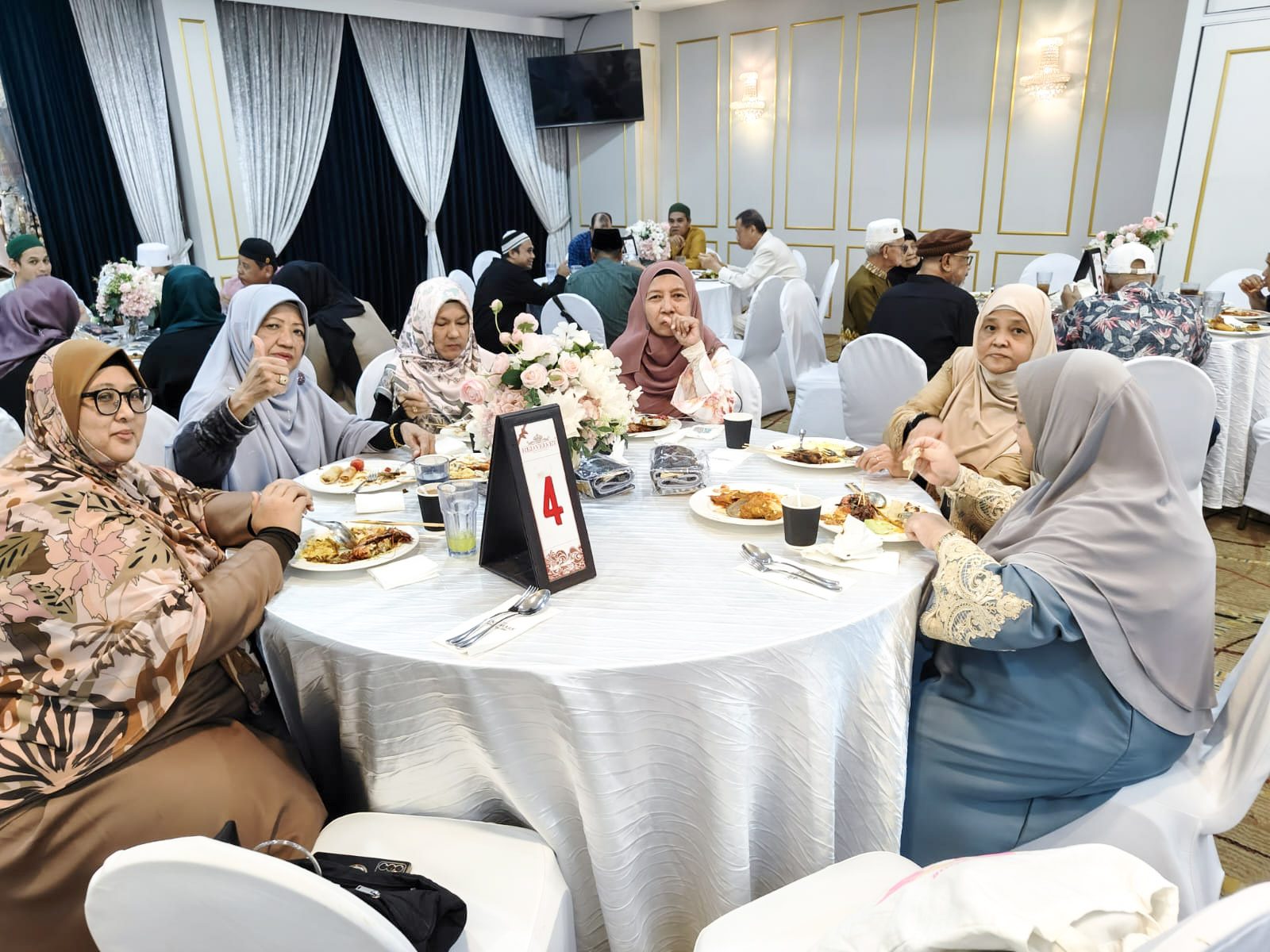
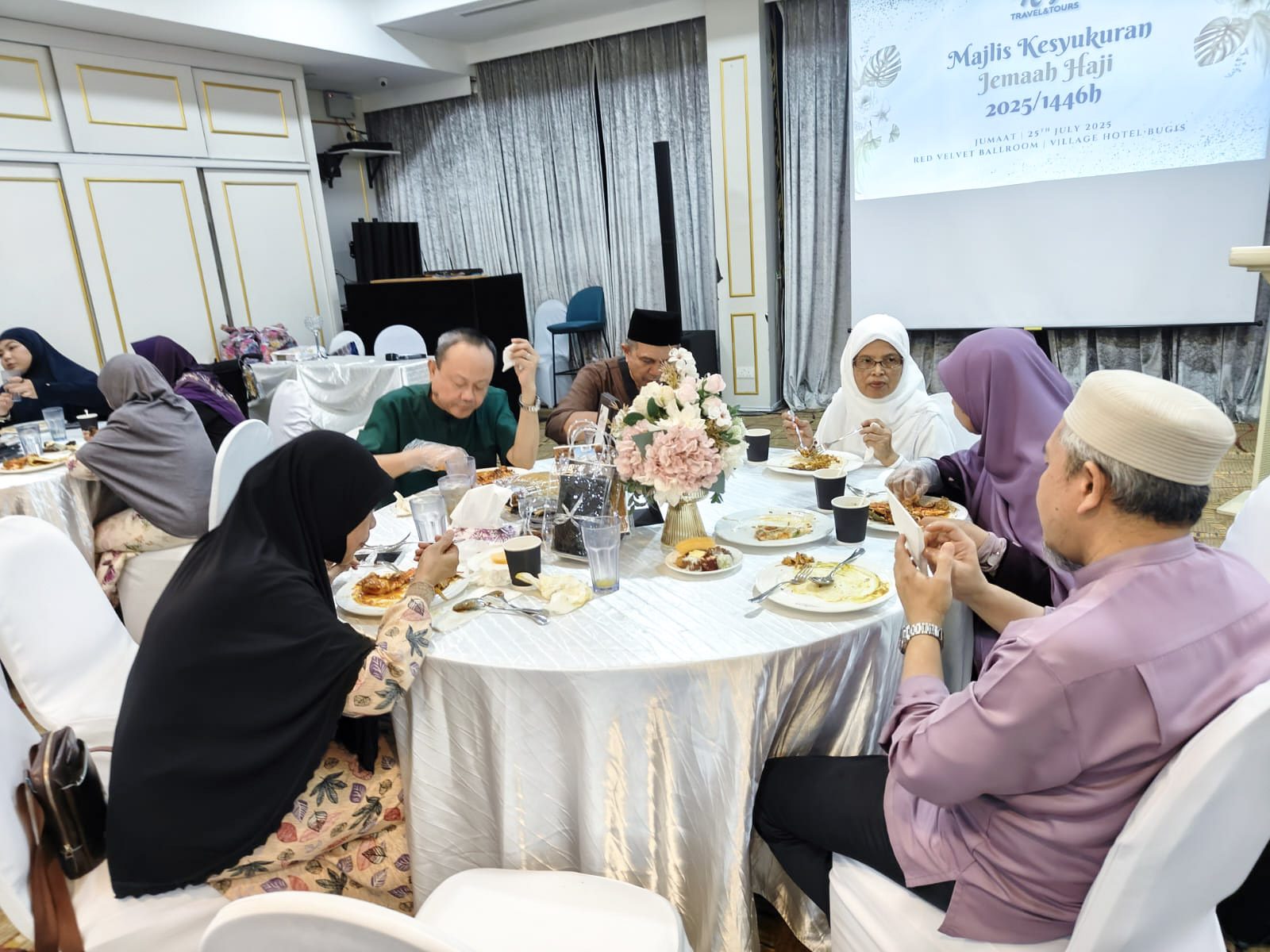
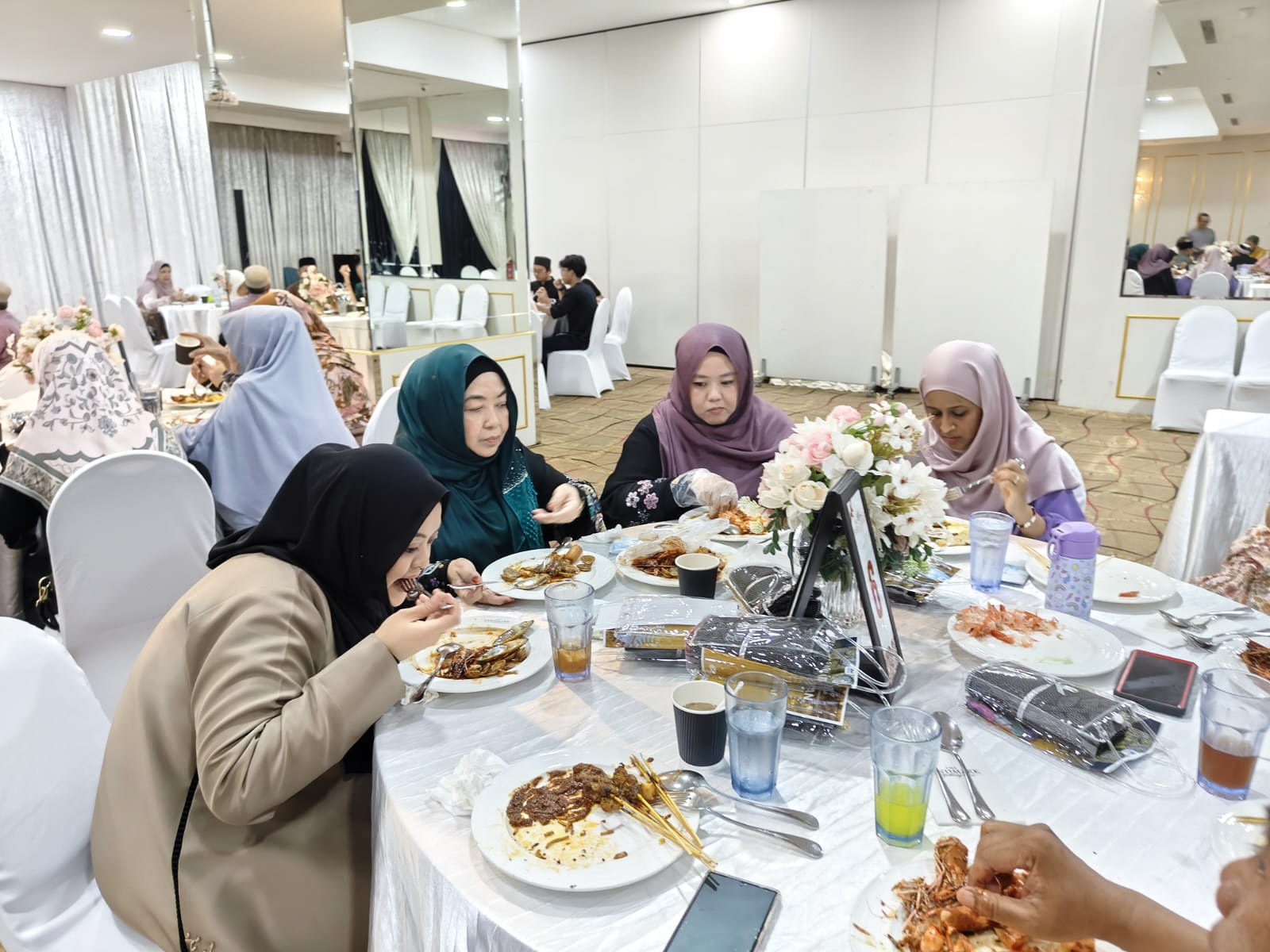
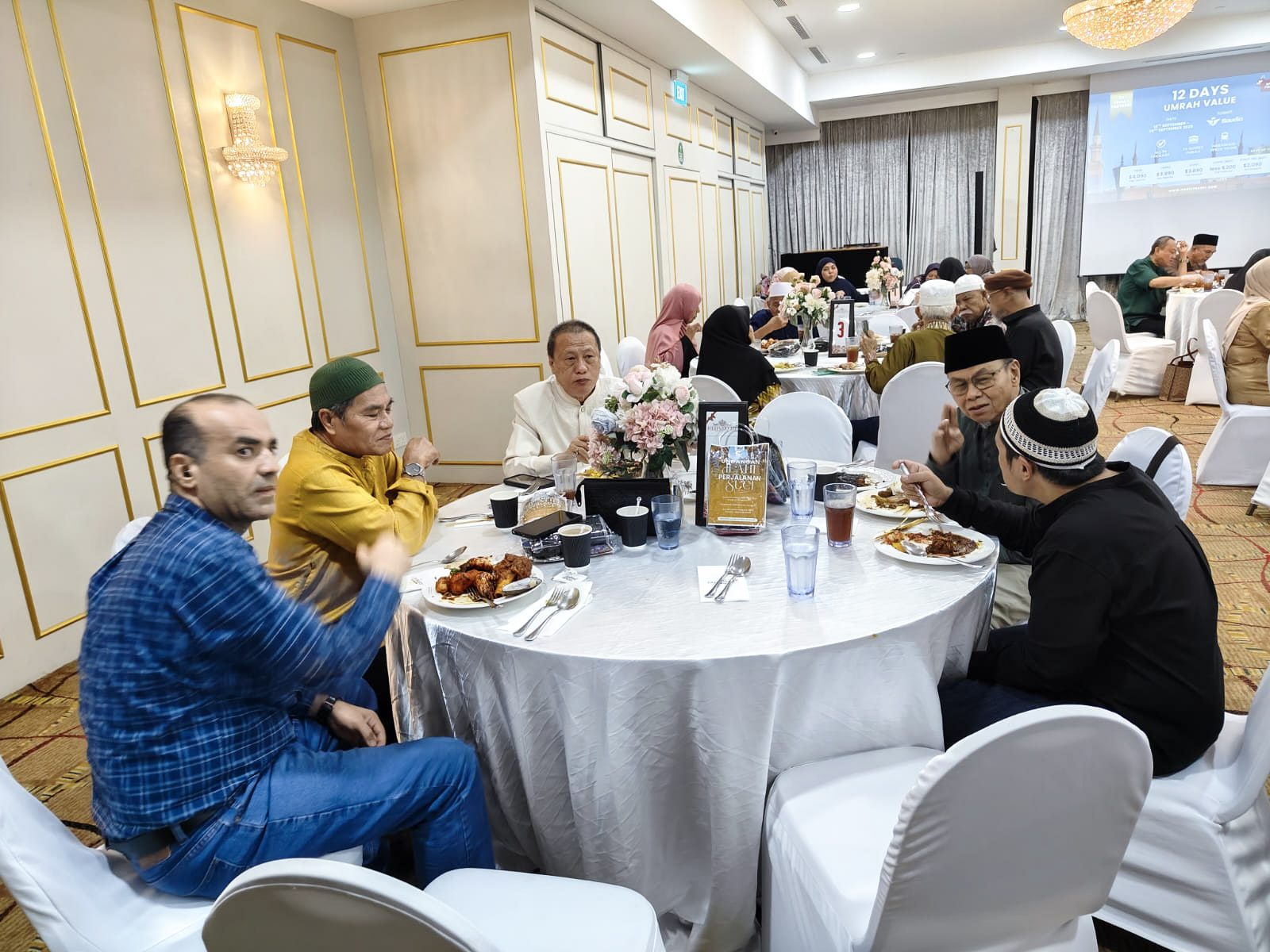
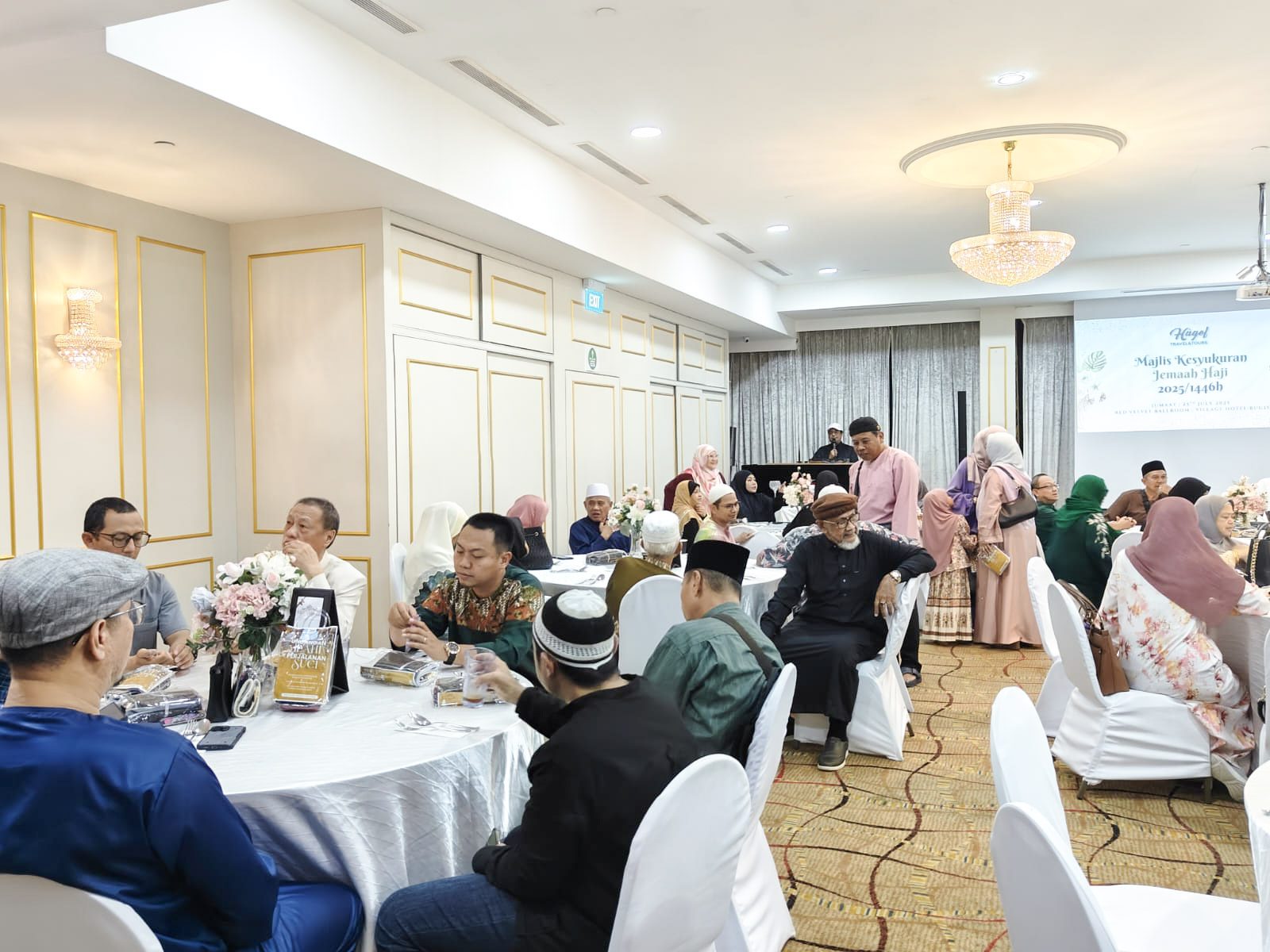
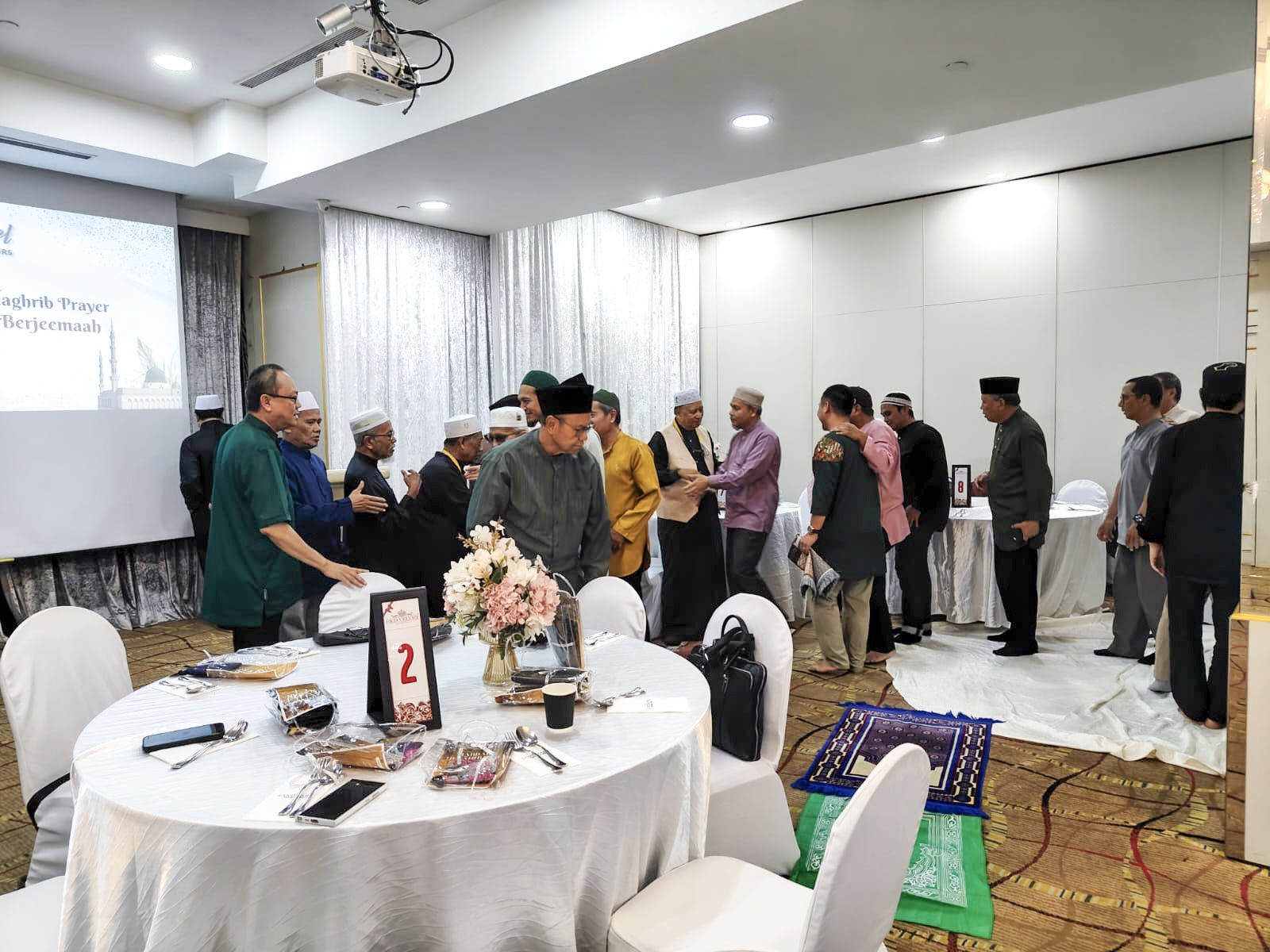
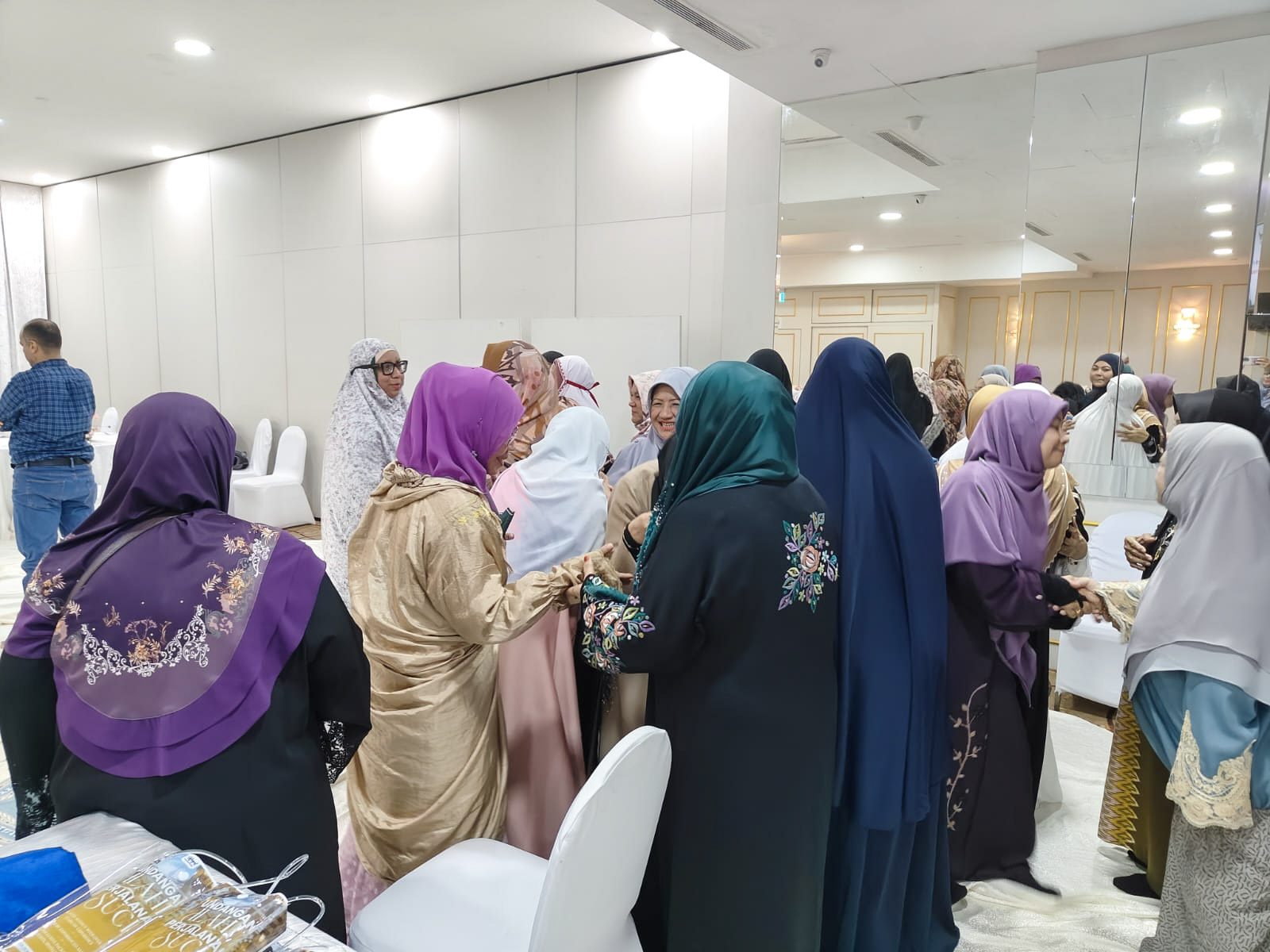
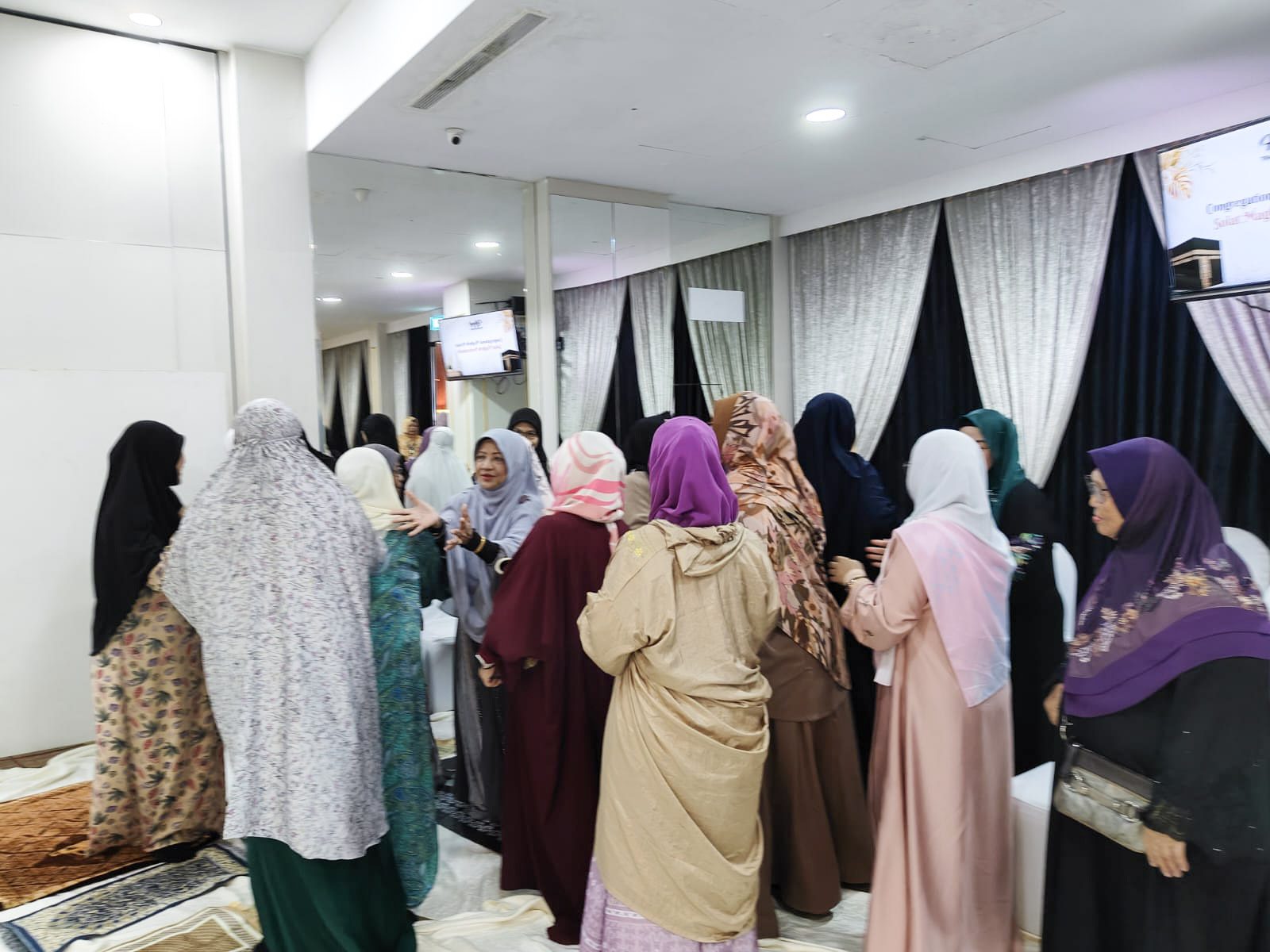
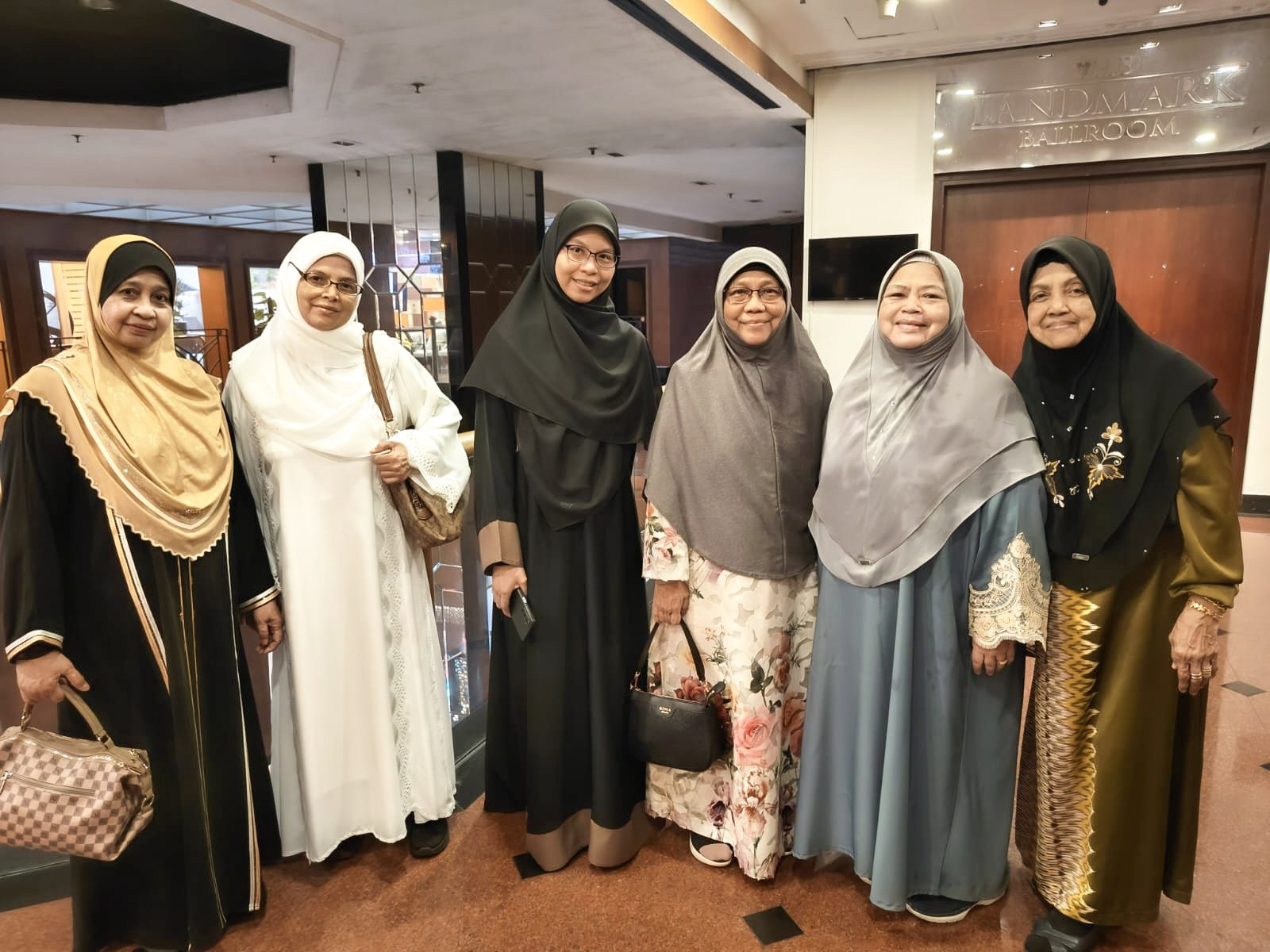
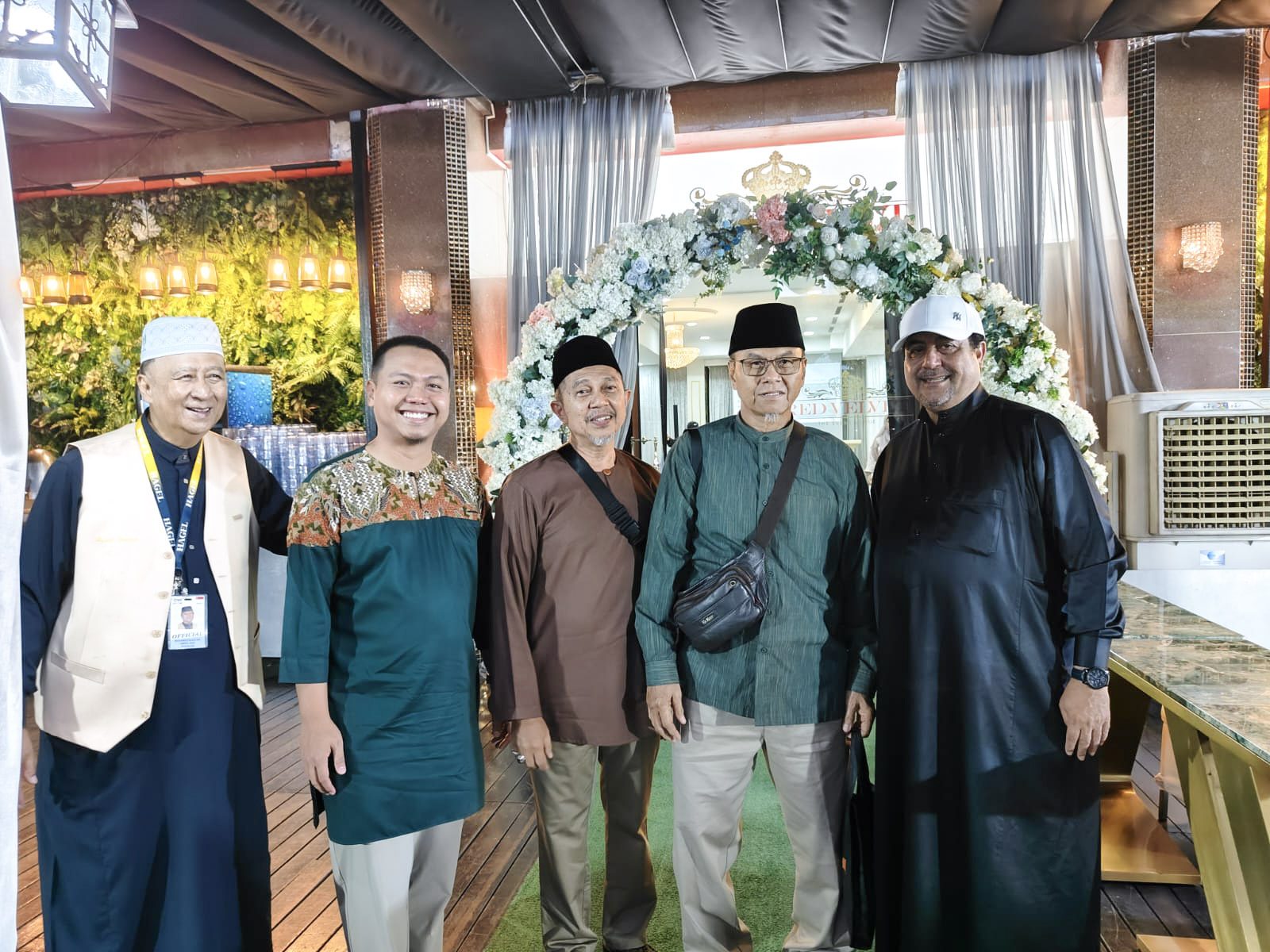
Taken at the Majlis Kesyukuran we held in Singapore for our Haji 2025 jema’ah — the gathering of thanks after everyone had returned safely, and the first time many of them saw one another again.

Why Muslims perform Hajj
Hajj is the fifth pillar of Islam. It is an obligation once in a lifetime on every Muslim who is able to undertake it — able in health and in means, with the way to Makkah safe and their dependants provided for. Those who are not able are not held to it, and the obligation waits until they are.
What follows is the textual basis Muslims return to when speaking of Hajj, quoted with its references so you can read each one in full.
Pilgrimage to this House is an obligation by Allah upon whoever is able among the people.
Islam is based on (the following) five (principles): to testify that none has the right to be worshipped but Allah and Muhammad is Allah’s Messenger; to offer the prayers dutifully and perfectly; to pay Zakat; to perform Hajj; and to observe fast during the month of Ramadan.
Whoever performs Hajj for Allah’s pleasure and does not have sexual relations with his wife, and does not do evil or sins, then he will return as if he were born anew.
The reward of Hajj Mabrur — the one accepted by Allah — is nothing except Paradise.
References
- Qur’an 3:97 on Quran.com
- Sahih al-Bukhari 8 on Sunnah.com
- Sahih al-Bukhari 1521 on Sunnah.com
- Sahih al-Bukhari 1773 on Sunnah.com
Conditions of obligation and the details of the rites vary between schools of jurisprudence. For a ruling on your own situation, please refer to a qualified religious authority.